Where to Enjoy Family-Friendly Jamaican Food in Denver
@milocgah640
September 24, 2026 · 14 min read
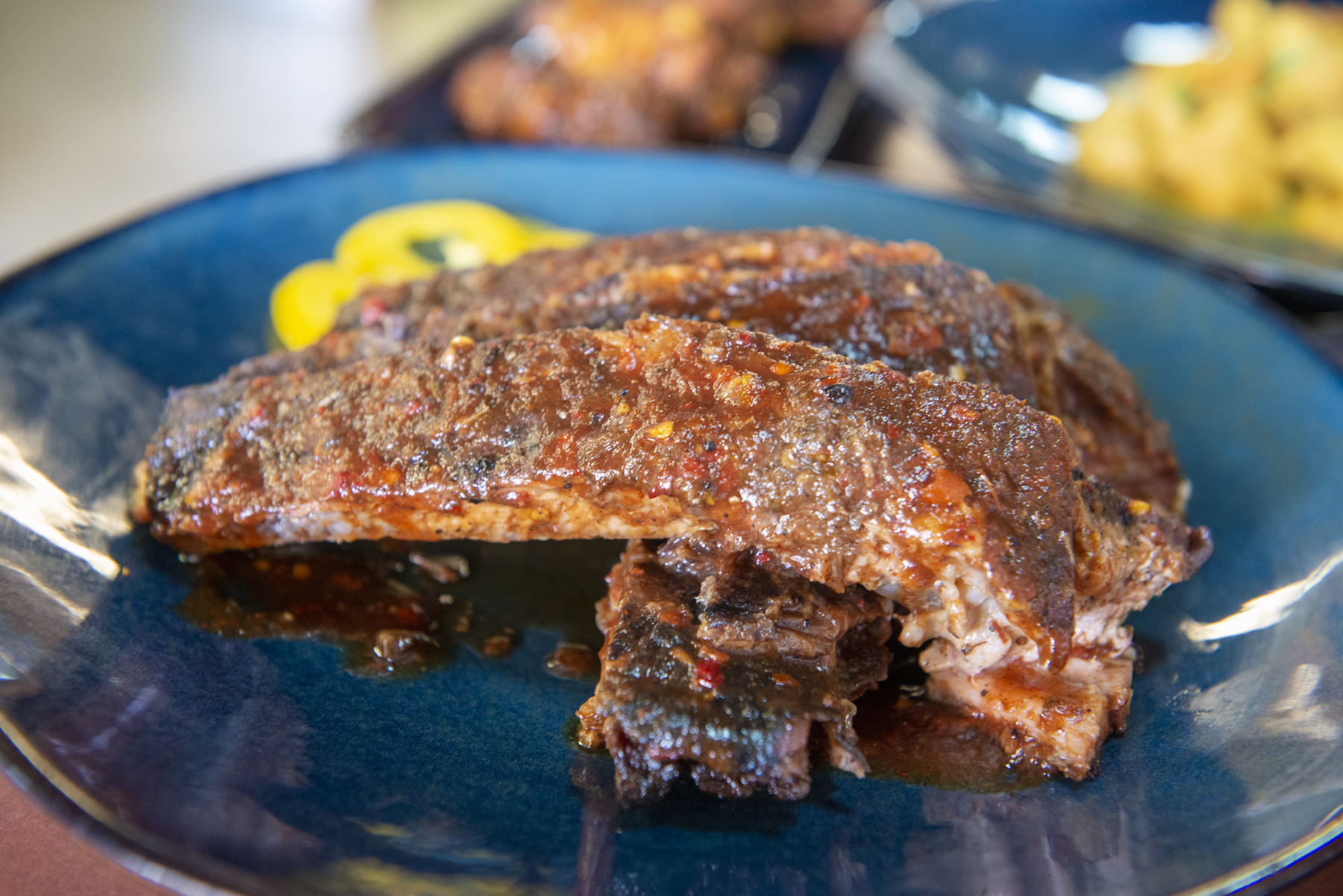
Finding great Jamaican food in Denver takes a little more intention than it does in cities with long-established Caribbean corridors, but that is part of the appeal. When you do find a kitchen turning out well-seasoned jerk chicken, deeply savory oxtail, flaky patties, and rice and peas that taste like someone actually cared, the meal tends to feel earned.
For families, the search gets more specific. Good food is only half the equation. Parents also need room for strollers, staff who do not blink when a child asks for plain rice, seating that can handle a group, and a menu with at least a few dishes that welcome cautious eaters. The best family-friendly Jamaican food in Denver is not always in the trendiest https://www.google.com/maps?cid=11425353456438405488 dining room or the loudest food hall. Often, it is in an unfussy spot where portions are generous, service is warm, and the kitchen knows how to balance bold flavor with flexibility.
Denver’s Jamaican and broader Caribbean dining scene is still relatively compact, so the smartest approach is not to chase a single “best” restaurant. It is to know what kind of place fits your family, what to order, and when to go. Once you do that, the search for jamaican food denver families can actually enjoy becomes much easier.
What family-friendly means when the cuisine is full of character
Jamaican food is vivid by design. Scotch bonnet heat, allspice, thyme, ginger, curry blends, pimento wood smoke, browned onions, and slow-cooked gravies all bring strong personality to the plate. Adults usually come for exactly that reason. Kids, especially younger ones, can be less predictable. One child will demolish jerk wings. Another will decide that anything with visible seasoning is suspicious.
That does not make Jamaican restaurants a bad family choice. Quite the opposite. The cuisine often has several natural bridges for children and mixed-age groups. Fried sweet plantains are easy to love. Rice and peas can be comforting and familiar. Patties work well for smaller appetites. Brown stew chicken has rich, mellow flavor without the sharper edge of a hotter jerk marinade. Even a plate built for adults can often be split between two younger children if the portions are substantial, which they often are.
The larger point is that “family-friendly” is not the same thing as “bland” or “kid-focused.” In practice, it means a restaurant can accommodate different comfort levels without flattening the food. That is where the best Jamaican kitchens in Denver tend to shine. A good one knows the difference between preserving flavor and forcing heat.
The Denver advantage, even with a smaller Caribbean scene
Denver does not have the concentration of Jamaican restaurants you might find in South Florida, New York, or parts of Toronto. That is simply the reality. But a smaller scene can still serve families well because it often rewards direct relationships. In many independent Caribbean restaurants, if you ask whether the jerk is spicy today, whether the curry goat is bone-in, or whether they can pack sauce on the side for a child, you get a real answer from someone who knows the food, not a script from a host stand.
That matters more than people think. Parents are usually not looking for theater. They want clarity. Is the dining room casual enough for a six-year-old who talks too loudly? Are there a few less spicy dishes? Can you order quickly and get the food out at a reasonable pace? Can a table share sides? In a city like Denver, where independent food businesses often carry a strong neighborhood identity, those practical details can be the difference between a successful dinner and a meal where everyone leaves tense.
The other advantage is that Denver diners are increasingly open to regional cuisines beyond the usual rotation. That means some Jamaican and Caribbean spots have expanded their menus in ways that help families. You may see more combo plates, lunch specials, side options, or cross-cultural items that make ordering simpler for a group with mixed preferences.
Where to look for Jamaican food in Denver with kids in tow
When families search for jamaican food denver options, they often focus too narrowly on downtown. That is usually a mistake. The most comfortable meal with children is often not in the most central location. It is in a neighborhood restaurant with easier parking, a more relaxed pace, and enough physical space to settle in.
In practical terms, it helps to widen the map to include the broader Denver metro, especially areas where immigrant-owned small businesses cluster and where rent pressures have historically allowed independent kitchens to survive. Aurora deserves attention for exactly that reason. So do parts of east Denver and a handful of commercial strips outside the city core where family-run spots tend to operate with lower overhead and more flexible service styles.
Food halls can be hit or miss. They work well for families when one child wants a patty and another wants something entirely different, because nobody has to negotiate a single menu. They work less well if the Jamaican vendor is buried in a noisy room, seating is competitive, and the atmosphere pushes everyone to eat quickly. A stand-alone restaurant or small counter-service storefront is often the better bet if your goal is a calm meal rather than maximum variety.
Timing matters too. If you want the best version of a slow-cooked dish like oxtail or curry goat, lunch can be stronger than late evening, especially at a place that cooks a fixed amount each day. If you want the smoothest family experience, an early dinner tends to be ideal. You arrive before the rush, the staff has a little more bandwidth, and children are less likely to be waiting through a backlog of takeout orders.
The signs a Jamaican restaurant will work for families
You can usually tell within five minutes whether a place will be a pleasant family stop or a stressful one. The best indicators are not fancy amenities. They are small operational choices that reveal how the restaurant handles real people.
- The menu includes a few milder anchors such as brown stew chicken, plain rice, patties, fried plantains, or macaroni and cheese.
- Staff can describe spice levels clearly and will offer sauce on the side without making it awkward.
- Portions are large enough to share, which matters when you are ordering for children with inconsistent appetites.
- The dining room feels relaxed rather than performative, with enough space for families to sit without feeling in the way.
- Takeout is handled well, because sometimes the most family-friendly restaurant experience is eating at home or in a nearby park.
Those details sound simple, but they matter more than décor. I have seen families struggle in beautiful rooms with inflexible menus, and I have seen them have a terrific dinner in modest storefronts where the food came fast and no one minded a little mess.
What to order when children are skeptical
The biggest ordering mistake parents make at Jamaican restaurants is assuming that every child should start with jerk chicken. Jerk is iconic, but it is not always the easiest entry point. The seasoning can be assertive, the char can read as “too dark” to a child who equates color with bitterness, and the heat level varies widely by kitchen.
A better strategy is to build the table gradually. Start with the dishes that have broad appeal, then let the more adventurous items become shared tastes rather than assigned entrées. Most children are more willing to try a bite from a parent’s plate than to commit to an unfamiliar meal of their own.
The most reliable choices for hesitant eaters usually include:
- Beef or chicken patties, especially if coco bread is available.
- Brown stew chicken, which tends to be savory and approachable.
- Fried sweet plantains, a near-universal peace offering.
- Rice and peas or plain rice, depending on your child’s preferences.
- Macaroni and cheese or another familiar side, if the restaurant offers one.
This is also where family-style thinking helps. If the adults order one boldly seasoned dish, one milder entrée, and a couple of sturdy sides, the whole table has options. That matters in Jamaican cooking because many of the best dishes are rich and intense. They reward sharing.
The dishes that reward adult appetites without excluding children
Parents do not need to spend the whole meal negotiating around young palates. One of the pleasures of Jamaican food is that adults can still eat exceptionally well while keeping the table balanced. If you love heat and smoke, order the jerk, just ask how spicy it runs that day. Some kitchens keep it moderate and let bottled sauce do the work. Others build real fire into the marinade. There is no universal standard.
Oxtail is another favorite for adults, though it can be a mixed bag with kids. The flavor is often deep and luxurious, the meat soft enough to pull apart with a fork, but the bones and richness make it less straightforward for little hands. Curry goat can be similar. It is delicious when done well, but it is usually better as a shared dish than a child’s primary meal unless you already know your kid enjoys bone-in meat and stronger aromatics.
Escovitch fish can be excellent for families with older children who like seafood, though the pickled topping may be too sharp for some. Brown stew chicken is the safest overlap dish, not because it is generic, but because it expresses Jamaican home-style cooking without immediately challenging the least adventurous person at the table.
Then there are the sides, which are often the real glue in a family order. Plantains soften the meal. Cabbage adds freshness. Festival, if offered, can bridge the gap between savory and sweet in a way children often like. Rice and peas anchors everything. Good Jamaican restaurants understand that sides are not filler. For families, they are strategy.
Dining in or taking it home
A useful truth about Jamaican food in Denver is that some of the best meals may travel as well as, or better than, they dine in. Braises, stews, curries, patties, and rice dishes hold up nicely in transit. Jerk can lose a little textural edge if it sits too long in a closed container, but even then, the flavor usually remains strong.
For parents, takeout can be the difference between “we tried something new” and “we survived dinner.” If your children are young, if nap schedules are tight, or if your family likes to eat without worrying about restaurant noise, ordering from a Jamaican spot and bringing it home is often the winning move. Denver’s weather also creates opportunities for park picnics through much of the year. A container of jerk chicken, extra plantains, and a couple of patties can make a far better family meal than another rushed chain dinner.
This is especially true if the restaurant itself is small. Many independent Caribbean spots prioritize takeout because that is where the demand is. A dining room may be simple, or seating may be limited. That should not discourage you. Some of the most satisfying jamaican food denver has to offer comes from places where the operation is built around efficient pickup rather than lingering table service.
How to judge spice honestly
“Not too spicy” means very different things in different households. In Jamaican cooking, heat can show up in several forms. Sometimes it is cooked directly into the meat. Sometimes it sits mostly in the sauce. Sometimes the dish is aromatic and intense without being actually hot. Parents who ask only “is it spicy?” often get incomplete information because the answer depends on what kind of spice they mean.
A better set of questions is more specific. Ask whether the heat is in the marinade or added later. Ask whether a child could eat the dish comfortably if sauce is served on the side. Ask which entrée they recommend for someone who likes flavor but not much chile heat. In a well-run restaurant, those questions usually produce useful guidance.
If you are introducing children to Jamaican food for the first time, it is smart to avoid making the meal feel like a dare. Let the scotch bonnet sauces stay optional. Order one item with bolder heat for the adults, then fill out the rest of the table with moderate, generous dishes. Children remember meals emotionally before they remember cuisines intellectually. If their first experience is “that place had amazing sweet plantains and chicken I liked,” they are much more likely to be open the next time.
The service style that tends to work best
Counter-service Jamaican spots are often easier on families than full-service restaurants. That may sound backward, but it usually comes down to rhythm. You can walk in, assess the menu, ask a couple of direct questions, order on your own schedule, and sit down without the stop-and-start of traditional table service. Children tend to do better when the structure is simple.
That said, not every counter-service place is easy. The hard version is a very small storefront at peak dinner rush, with several delivery drivers crowding the entrance and nowhere to wait. The easy version is a neighborhood spot with visible menu boards, quick communication, and a few tables where nobody minds if you need an extra minute to organize napkins and drinks.
For larger family gatherings, call ahead. Jamaican restaurants often cook in batches, and popular items can sell out. That is not poor planning. It is how many small kitchens protect quality. If you want enough patties for several children or you have your heart set on oxtail for the adults, a phone call can save disappointment.
What makes a Jamaican meal memorable for children
It is rarely the dish adults expect. Grown-ups fixate on the marquee items, the perfect jerk char, the depth of a gravy, the tenderness of goat or oxtail. Children tend to remember texture and ritual. They remember opening a flaky patty and seeing steam rise out. They remember sweet plantains disappearing faster than anything else on the table. They remember choosing between bottled drinks or sharing a side of rice. They remember whether the environment felt welcoming.
That is why the best family-friendly Jamaican food in Denver is not just about authenticity in the narrow sense. It is about hospitality. Authentic food served in a way that excludes half the table is not especially useful to a family. A restaurant that preserves the soul of the cuisine while helping parents navigate the menu earns repeat business for good reason.
I have watched children go from suspicious to enthusiastic over the course of one meal simply because nobody pressured them. A parent orders a patty “just to try,” someone passes around plantains, a bite of brown stew chicken lands well, and by the end of dinner the child is asking for more rice. That progression feels ordinary when it happens, but it is how family food traditions actually begin.
Making the most of Denver’s Jamaican options
The families who enjoy Jamaican food most regularly in Denver tend to do three things well. They stay flexible about format, they order for the table rather than by rigid entrée logic, and they accept that small independent restaurants do not always behave like polished national brands. The reward is better food and a more interesting meal.
If you are exploring for the first time, cast a slightly wider net than “Jamaican only.” Some Caribbean restaurants fold Jamaican staples into a broader island menu, and those places can still be very worthwhile. Just pay attention to where the kitchen’s strengths clearly lie. A focused, well-executed plate is better than an oversized menu trying to represent every island equally.
Also, trust repeat visits. Jamaican food is a cuisine that reveals itself over time. Your first family meal might be patties, plantains, and one safe chicken dish. Your second might add jerk. By the third, someone orders curry goat. Familiarity changes what feels accessible. That is particularly true for children, who often need several low-pressure exposures before a new cuisine moves from “unfamiliar” to “favorite.”
Denver may not overwhelm you with Jamaican restaurants on every corner, but that can sharpen your choices rather than limit them. The right place, whether it is a compact takeout counter, a modest neighborhood dining room, or a Caribbean kitchen in the broader metro, offers more than a meal. It gives families a cuisine with warmth, depth, and enough range to satisfy both the cautious eater and the person chasing real spice.
And when you find that combination, tender chicken, fragrant rice, sweet plantains, maybe a patty or two for the kids, you stop asking whether Jamaican food works for families. You start wondering why you did not make it part of the regular rotation sooner.
Reggae Pot Jamaican Grill
Address: 2243 S Monaco St Pkwy #104, Denver, CO 80222
Phone number: +17204102956
FAQ About Jamaican Food Denver
What is typical Jamaican food?
Typical Jamaican food features bold, vibrant flavors created by blending African, Taino, European, and Asian influences.
What is a famous Jamaican dish?
Ackee and saltfish is Jamaica's national dish, made by sautéing the soft local ackee fruit with salted cod, onions, tomatoes, and spicy Scotch bonnet peppers.
What food is most popular in Jamaica?
The most popular and famous food in Jamaica is Jerk Chicken, celebrated worldwide for its smoky, spicy flavor.